Punjab News:Mukh Mantri Sehat Yojana Covers 12,467 Sepsis, Septic Shock Treatments Worth ₹51.58 Cr.
Punjab News:Mukh Mantri Sehat Yojana Covers 12,467 Sepsis, Septic Shock Treatments Worth ₹51.58 Cr.
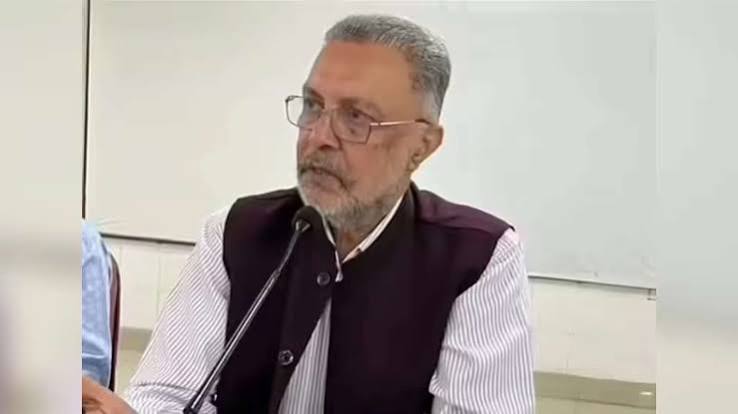
*Timely Recognition Vital as Sepsis Can Turn Life-Threatening Within Hours: Dr Balbir Singh*
*Newborns Particularly Vulnerable as Sepsis Can Trigger Rapid Deterioration: Dr Shashi Kant Dhir, Professor & Head, Department of Pediatrics, Guru Gobind Singh Medical College, Faridkot*
An infection that may initially appear routine can become life-threatening within hours when it progresses to sepsis and septic shock.
Punjab’s Mukh Mantri Sehat Yojana (MMSY) has recorded 12,467 treatments for sepsis and septic shock, worth ₹51.58 crore, till September 1, highlighting both the medical and financial burden of the condition.
Of these, severe sepsis accounted for 10,961 treatments worth ₹44.33 crore, while 1,506 septic-shock treatments involved ₹7.25 crore. According to the US Centers for Disease Control and Prevention (CDC), sepsis is the body’s extreme response to an infection and can rapidly lead to tissue damage, organ failure and death. Almost any infection can trigger sepsis, with infections of the lungs, urinary tract, skin and gastrointestinal tract among the common sources.
Sepsis is not simply an infection. As the body’s response becomes dysregulated, organs may begin to malfunction. In severe cases, falling blood pressure and inadequate blood flow can progress to septic shock.
Health and Family Welfare Minister Dr Balbir Singh stressed the importance of timely recognition. “Sepsis can become progressively more dangerous. When it leads to serious circulatory problems and inadequate blood flow to vital organs, the patient may progress to septic shock,” he said.
Patients with septic shock may require intensive care, intravenous fluids, antibiotics, medicines to support blood pressure, oxygen or mechanical ventilation and, in some cases, support for failing organs. Such treatment can quickly become expensive, making financial protection particularly important for families.
The Mukh Mantri Sehat Yojana provides cashless health coverage of up to ₹10 lakh per family annually to eligible families, helping reduce the financial barrier to critical treatment.
The scheme’s sepsis figures underline how such financial protection can matter when treatment requirements escalate rapidly.
The threat is especially acute among newborns. Dr Shashi Kant Dhir, Professor and Head, Department of Pediatrics, Guru Gobind Singh Medical College, Faridkot, said subtle changes in a newborn should not be ignored. “In newborns, even a small change in behaviour can be an important warning sign,” he said, adding that premature and low-birth-weight babies could deteriorate within hours.
Poor feeding, unusual sleepiness, feeling cold and changes in breathing can signal serious illness in a newborn and require urgent medical assessment.
Antibiotics remain essential when a bacterial infection is suspected or confirmed, but inappropriate use can fuel antimicrobial resistance. Self-medication, using leftover antibiotics or stopping treatment without medical advice can make infections harder to treat.
The CDC identifies confusion, difficulty breathing, extreme pain or discomfort, fever or unusually low temperature, clammy skin and rapid heart rate among warning signs requiring urgent attention.
Sepsis therefore demands action on two fronts: rapid medical recognition and treatment, and protection against catastrophic healthcare costs. The Mukh Mantri Sehat Yojana data underline the scale of the financial burden, while the clinical message is simple: when a patient with an infection suddenly deteriorates, delay can cost both money and, more importantly, a life.